Why the Best Trip You Ever Took Deserves a Second Chapter
There's a certain kind of traveler who keeps a running list. Machu Picchu: done. The Amalfi Coast: checked. Patagonia: survived, barely, in the best possible way. The instinct to keep moving forward — to always chase the next destination — is deeply wired into how Americans think about travel. New place, new story, new Instagram grid.
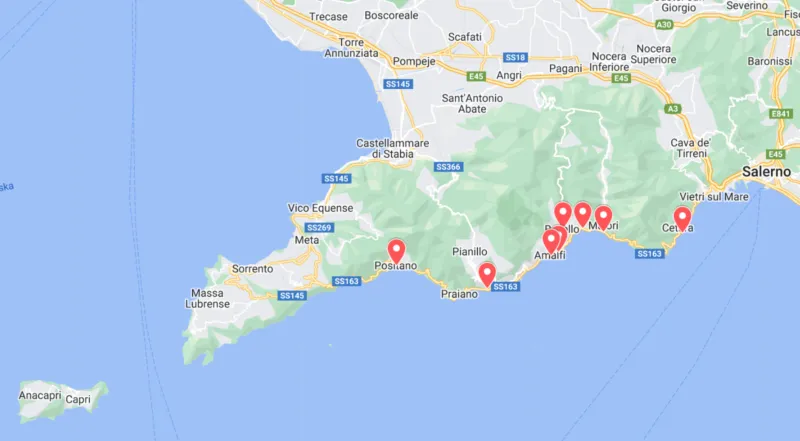 Photo: Amalfi Coast, via www.mamasaidbecool.pl
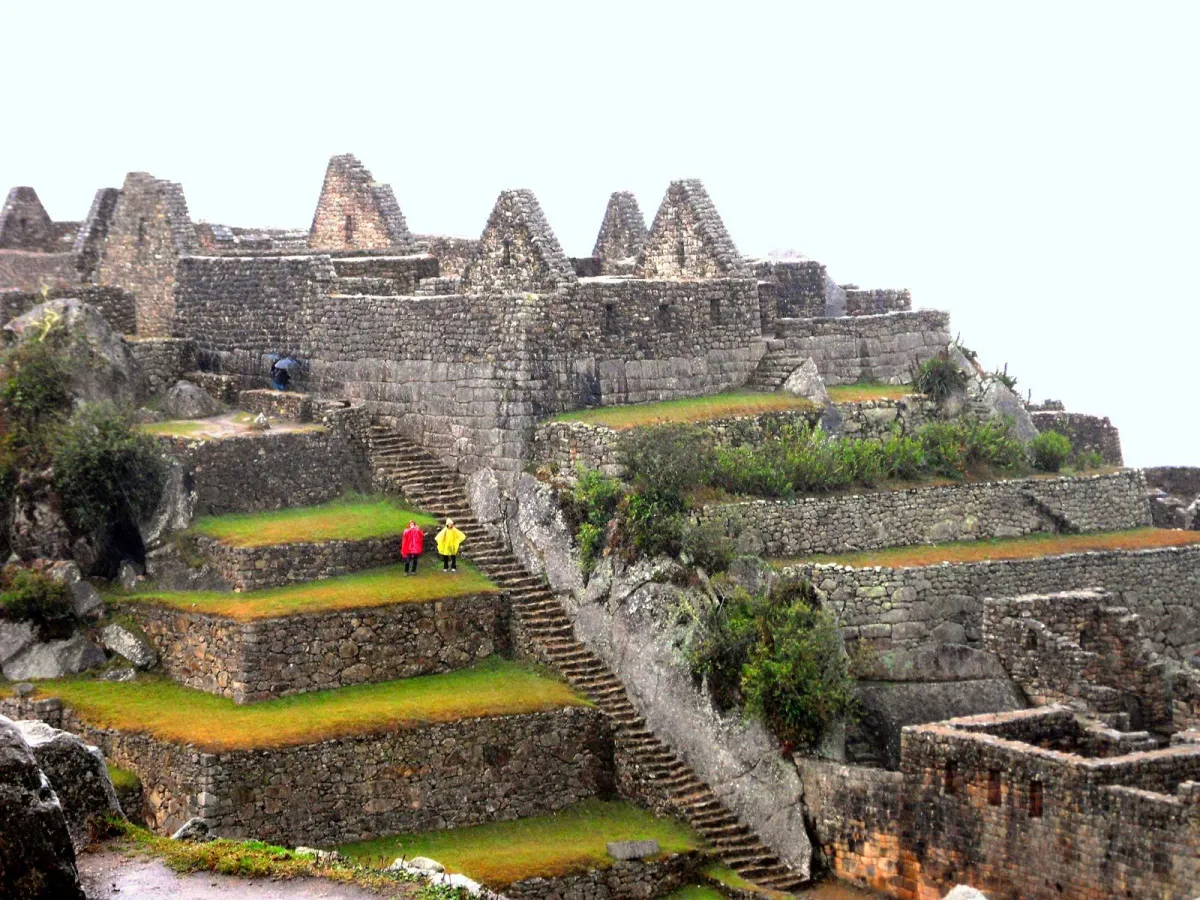 Photo: Machu Picchu, via cdn.britannica.com
But here's a thought worth sitting with: what if the most adventurous thing you could do is go back?
Not because you missed something the first time. Not because you lost your sunglasses in Positano and need closure. But because the destinations that genuinely changed you have more to say — and whether you're ready to hear it depends entirely on where you are in your own life.
You're Not the Same Traveler Anymore
Think about the first time you visited somewhere truly extraordinary. Maybe you were 24, running on a shoestring budget and a lot of optimism. Maybe you were newly married, or freshly divorced, or celebrating a promotion you'd worked a decade toward. Whatever the context, that version of you filtered everything you saw through a very specific lens.
Return to the same place ten years later, and you're essentially sending a different person on the same trip. The mountains of Patagonia don't change much. You, however, have changed enormously. What felt overwhelming at 25 might feel clarifying at 38. What seemed romantic during a honeymoon might feel quietly profound on a solo trip taken after the kids leave for college.
Travel researchers and seasoned guides will tell you the same thing: repeat visitors consistently report deeper, more emotionally resonant experiences than first-timers. First visits are about orientation. Second visits are about understanding.
The Case for Returning to Patagonia
Patagonia — spanning the southern reaches of Chile and Argentina — is one of those places that tends to break people open a little. The sheer scale of Torres del Paine, the grinding silence of the glaciers, the way the weather changes its mind every fifteen minutes. First-timers typically hit the W Trek and call it a triumph, because it is one.
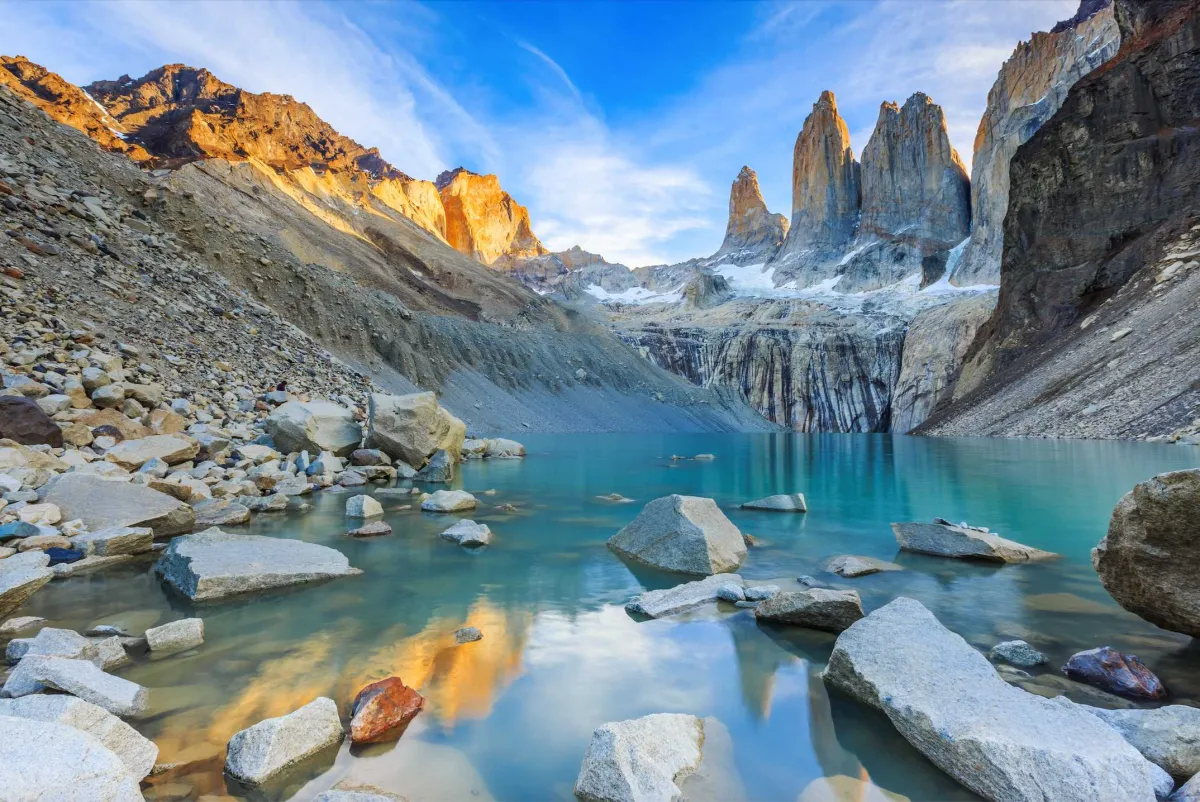 Photo: Torres del Paine, via www.expeditions.com
But returning travelers unlock a completely different Patagonia. The O Circuit, which loops the entire Torres del Paine massif, is almost exclusively the domain of people who've already done the W and want more. It's longer, more remote, and rewards hikers with angles on the landscape that the standard route never offers — including the backside of the towers themselves, which most visitors never see.
Beyond the trails, a second trip opens up the Argentine side of the border: Los Glaciares National Park, the Perito Moreno Glacier, the gaucho culture around El Calafate. First-timers rarely have the context to appreciate how different these places feel from the Chilean side. Second-timers do.
Planning your second chapter in Patagonia: Skip the package tour. Rent a car and drive Ruta 40 through Argentina's lake district. Build in two or three nights at an estancia — a traditional working ranch — where you'll eat lamb slow-cooked over an open fire and wake up to views that no hotel can replicate.
Amalfi Coast: Beyond the Postcard
Few destinations suffer more from the weight of their own reputation than the Amalfi Coast. The first visit is almost inevitably a sensory overload — the colors, the limoncello, the terrifying beauty of the cliff roads. Most first-timers spend their days in Positano and Ravello, which are, admittedly, extraordinary.
But the Amalfi Coast holds entire villages that don't make it onto the highlight reel. Praiano sits between Positano and Amalfi town with a fraction of the foot traffic and a genuinely local feel that's increasingly hard to find on the main drag. Cetara, further east, is a fishing village so committed to its own identity that it has a centuries-old tradition of producing a fermented anchovy sauce — colatura di alici — that chefs across Italy treat like liquid gold.
A second visit also lets you slow down in ways that feel impossible when you're trying to see everything for the first time. Renting an apartment for a week rather than bouncing between hotels transforms the experience entirely. You start to recognize the guy at the morning bar. You figure out which beach is actually swimmable versus which one just photographs well. You stop taking pictures of every lemon tree.
Planning your second chapter on the Amalfi Coast: Time it for shoulder season — late September or early October. The summer crowds thin out, the sea is still warm, and the light turns golden in a way that makes the whole coast feel like a painting someone forgot to finish. Consider basing yourself in Furore, a village so small it has its own fjord and approximately zero souvenir shops.
Japan: The Country That Rewards the Returning Traveler Most
If there's one destination that almost universally inspires a second trip, it's Japan. First-timers tend to follow the Golden Route: Tokyo, Kyoto, Osaka, maybe a bullet train to Hiroshima. It's a remarkable introduction. It's also, in many ways, just the lobby.
Japan is a country that operates on layers of cultural nuance that take time to begin to read. A second visit — especially one that takes you off the Golden Route — starts to reveal the country beneath the surface. The Tohoku region in northern Honshu offers onsen towns, samurai districts, and a pace of life that feels genuinely different from the polished tourism infrastructure of the south. Shikoku, the smallest of Japan's four main islands, draws pilgrims walking an 88-temple circuit that has wound through the mountains for over a thousand years.
Planning your second chapter in Japan: Consider timing around a seasonal event you missed the first time. Cherry blossom season is famous, but the autumn foliage — koyo — running from October through December is equally stunning and draws fewer international visitors. And if you went to Japan in your twenties staying in hostels, try a ryokan stay in your next chapter. The ritual of it — the kaiseki dinner, the yukata, the communal bath — is its own kind of travel education.
How to Actually Plan a 'Return Trip' Differently
The biggest mistake returning travelers make is trying to recreate the first experience. That's not the goal. The goal is excavation — going deeper into a place you already have some foundation for understanding.
A few principles that work:
- Ditch the highlights. You've already seen them. Give yourself permission to spend three days in one neighborhood instead of three hours in five.
- Talk to the people who live there. First trips are often too rushed for real conversation. A second trip, with less logistical anxiety, creates space for the kinds of exchanges that actually change how you see a place.
- Change your accommodation style. If you stayed in hotels, try a rental apartment or a family-run guesthouse. The shift in perspective is immediate.
- Travel in a different season. A destination in winter versus summer isn't just logistically different — it's emotionally different. The version of Prague you see in January fog is a completely different city from the one you visited in July.
- Go alone, or go with different people. The company you keep shapes what you notice. A solo return trip to somewhere you once visited as a couple, or with family, will reveal parts of the place — and yourself — that were previously invisible.
The Real Reason to Go Back
There's a quiet truth that experienced travelers tend to arrive at eventually: the best destinations aren't puzzles to be solved on a single visit. They're more like relationships — complex, layered, and capable of surprising you no matter how well you think you know them.
The world has plenty of new places to discover. But the places that already marked you? They're still out there, waiting to show you what you weren't ready to see the first time.