Go Alone This Time: What Solo Travel to Your Dream Destination Actually Teaches You
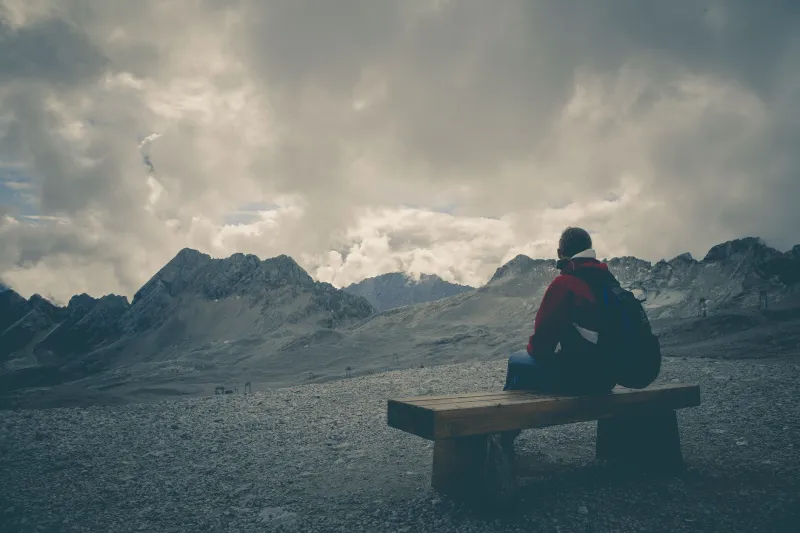
You've had the trip in your head for years. Maybe it's the Amalfi Coast. Maybe it's Kyoto in cherry blossom season, or a slow train ride through the Swiss Alps, or finally standing at the rim of the Grand Canyon at sunrise. You know the trip. You've described it to friends over dinner, pinned it on a board, maybe even priced it out a few times.
And then you waited. Waited for someone to say yes. Waited for schedules to align, budgets to match, enthusiasm to meet yours at the same altitude.
Here's the question nobody asks: what if you just went?
The Companion Trap
Traveling with people you love is genuinely wonderful — we're not here to argue otherwise. But there's a specific kind of trip that gets endlessly deferred because it depends on consensus. The bucket-list destination. The one that matters most to you.
When you travel with others, every decision is a negotiation. Where to eat, how long to linger at a museum, whether to take the scenic route or the efficient one. Most of the time, that negotiation produces something better than any one person would've planned alone. But sometimes — especially with a destination you've been dreaming about for a decade — the negotiation waters things down. You spend three hours at a restaurant your travel companion wanted to try, and you never make it to the overlook you'd been imagining since 2017.
Solo travel eliminates the negotiation entirely. And for certain trips, that changes everything.
What Actually Happens When You Go Alone
Ask anyone who's taken a solo trip to somewhere that genuinely mattered to them, and they'll tell you the same thing: the experience was more intense than they expected. Not harder — more vivid.
Without a companion to process everything with in real time, you're forced to sit inside the experience rather than narrate it. You notice more. You absorb more. You make decisions based purely on what you want in that moment, which sounds obvious but is surprisingly rare for most adults.
There's also the social dimension that solo travelers often overlook before their first trip. When you're alone, you're approachable. Locals talk to you. Other travelers invite you to join them for dinner. A solo traveler in a café in Lisbon or a guesthouse in Oaxaca becomes part of the fabric of the place in a way that a group of four Americans rarely does. You stop being a touring party and start being a person.
The Relationships You Come Home To
Here's the counterintuitive part: going alone often makes your relationships better.
When you return from a solo trip to somewhere that genuinely moved you, you come back with stories that are entirely yours. No shared reference points, no "remember when we..." — just your version of something that happened, told with the kind of specificity that only comes from having paid full attention. People lean in when you talk about it. Including the friends and partners who couldn't or didn't come.
There's also something that happens inside you after navigating an unfamiliar place alone. A quiet confidence. A slightly lower threshold for discomfort. You come home a slightly different version of yourself, and the people around you notice that too — usually in ways they find attractive.
Choosing the Right Trip to Do Solo
Not every trip is a better solo trip. A beach week with your college friends? Keep that one shared. A resort vacation with your partner? Obviously, yes. But certain types of trips genuinely lend themselves to going alone:
Destination-driven trips — where the place itself is the point, and you have strong opinions about how you want to experience it. If you've been researching a destination for years, you probably have a more specific vision for it than anyone you'd bring along.
Trips that require a specific pace — long hikes, photography-focused travel, museum-heavy itineraries. When your ideal travel speed is either much slower or much faster than everyone around you, solo travel is a gift.
Milestone trips — the 40th birthday journey, the post-divorce reset, the trip you promised yourself after a hard year. Some experiences are meant to be processed privately before they're shared publicly.
The Practical Fear Factor
Let's be honest about the hesitation, because it's real. Solo travel feels more exposed, especially if you've never done it. There's no one to watch your bag while you use the restroom, no one to consult when you're not sure which neighborhood to stay in, no one to laugh with when things go sideways.
But the American travel infrastructure has never been more solo-friendly. Apps handle the logistics that used to require a knowledgeable companion. Hostels and boutique hotels cater explicitly to solo travelers. And the community of solo travelers — particularly women traveling alone, which is its own thriving movement — has built an enormous body of practical knowledge that's freely shared online.
The fear is real, but it's also smaller than it looks from the outside.
Just Book It
That dream destination isn't going to wait forever. Prices change, health changes, circumstances change. And every year you spend waiting for the stars to align is another year that trip lives only in your imagination.
Go alone. Take the trip seriously. Pay full attention. Come home with something that's entirely yours.
Some of the best travel stories you'll ever tell start with a solo booking and a little nerve.