The Ultimate Mekong River Travel Guide: Everything You Need to Know Before You Go

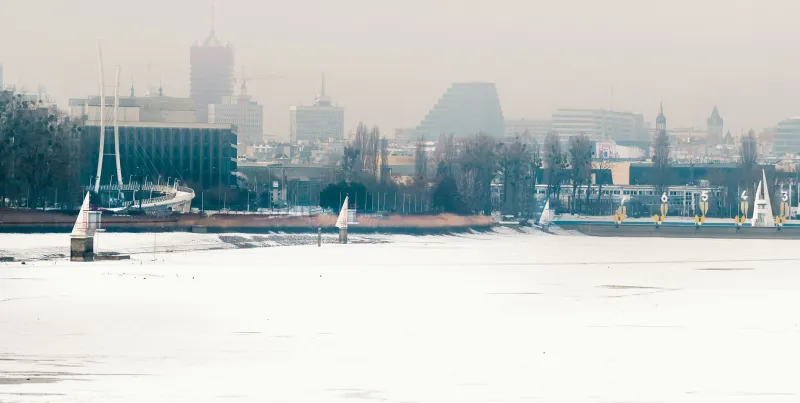
Photo by Photo by Leo_Visions on Unsplash on Unsplash
The Mekong is one of those rivers that gets under your skin. Stretching nearly 3,000 miles from the Tibetan Plateau all the way to the South China Sea, it passes through China, Myanmar, Laos, Thailand, Cambodia, and Vietnam — six countries, dozens of cultures, and more incredible scenery than most travelers could absorb in a lifetime. For Americans who've done Europe, hit Japan, and maybe explored a corner of Southeast Asia, the Mekong is the next great frontier.
This guide covers the essential stops, the best ways to travel the river, and the practical stuff you need to know before you book.
Why the Mekong Should Be on Every Adventurous American's Radar
The Mekong isn't just a river — it's a lifeline. More than 60 million people depend on it for food, water, and transportation. Traveling along its banks puts you in direct contact with a way of life that's ancient, resilient, and rapidly changing. You'll see Buddhist monks collecting alms at dawn, fishermen casting nets from wooden boats, and hillside villages that have looked the same for centuries — all alongside the slow but undeniable march of modernity.
For US travelers, the Mekong region is also genuinely affordable. Your dollar stretches far here, and the region's tourism infrastructure — while not as polished as Western Europe — is well-developed enough to make independent travel completely manageable.
The Essential Stops Along the Mekong
Luang Prabang, Laos — The Soul of the River
If you only have time for one stop on the Mekong, make it Luang Prabang. This UNESCO World Heritage city sits at the confluence of the Mekong and the Nam Khan River and feels like a dream. Golden temples, French colonial architecture, night markets, and the famous alms-giving ceremony at sunrise — Luang Prabang is the kind of place that makes you rebook your flight home for a later date.
Don't miss: Kuang Si Waterfall (about 45 minutes outside town), the Pak Ou Caves (accessible by boat up the Mekong), and the night market on Sisavangvong Road.
Chiang Rai & the Golden Triangle, Thailand
Where Thailand, Laos, and Myanmar meet, the Golden Triangle is one of Southeast Asia's most historically loaded regions — once the heart of the world's opium trade, now a fascinating mix of hill tribe villages, border crossings, and river scenery. Chiang Rai itself is a low-key, underrated city with incredible temples (the White Temple, Wat Rong Khun, is jaw-dropping) and easy access to the river.
Day trips by longtail boat along the Mekong from here are easy to arrange and genuinely memorable.
Phnom Penh, Cambodia — History, Heartbreak, and Hustle
Cambodia's capital sits where the Mekong meets the Tonle Sap River, and it's a city of profound contrasts. The Royal Palace and Silver Pagoda are stunning. The National Museum is one of Southeast Asia's best. And the Tuol Sleng Genocide Museum and Killing Fields Memorial are among the most important — and difficult — historical sites any traveler can visit. Phnom Penh demands that you show up with your full attention.
The food scene here has also quietly become one of the best in the region. Don't skip a riverside dinner.
Siem Reap & Angkor Wat, Cambodia
Ok, Siem Reap isn't technically on the Mekong — it sits near the Tonle Sap Lake — but it's an essential stop for any traveler in the region. Angkor Wat is one of the greatest human-made structures on earth, full stop. Arrive before sunrise, stay past the tour groups, and explore the wider Angkor Archaeological Park over two or three days. Angkor Thom, Ta Prohm, and Banteay Srei are just as incredible and far less crowded.
The Mekong Delta, Vietnam — Where the River Meets the Sea
The Mekong fans out into a vast delta in southern Vietnam before emptying into the South China Sea, and this region is one of the most productive agricultural areas on the planet. Floating markets, rice paddies as far as you can see, coconut candy workshops, and boat rides through narrow canals — the Delta feels like a completely different Vietnam from Ho Chi Minh City, which is just a few hours away and makes a great base.
Can Tho is the Delta's largest city and the best hub for day trips to the famous floating markets at Cai Rang.
How to Travel the Mekong
Slow Boat
The classic Mekong experience for backpackers and budget travelers is the two-day slow boat from Huay Xai (on the Thai-Lao border) to Luang Prabang. It's exactly what it sounds like — a long, slow, beautiful river journey with a night in the town of Pakbeng in between. Bring snacks, a good book, and zero expectations of comfort. The scenery will do the rest.
River Cruises
For travelers who want something more polished, a growing number of luxury river cruise operators run multi-week itineraries along the Mekong through Laos, Cambodia, and Vietnam. Lines like Avalon Waterways, AmaWaterways, and Scenic offer itineraries that include shore excursions, onboard guides, and seriously comfortable cabins. Prices vary widely, but this is genuinely one of the world's great river cruise routes.
Independent Overland
Many travelers combine river segments with overland bus or flight connections, hopping between countries at their own pace. This approach gives you maximum flexibility and is very doable with some advance planning. Visas for Laos, Cambodia, and Vietnam are all available on arrival or as e-visas for US passport holders — check current requirements before you go.
Best Time to Visit
The dry season (November through April) is generally the best time to travel the Mekong region. Temperatures are warm but manageable, skies are clearer, and road and river conditions are easier to navigate. The wet season (May through October) brings lush scenery and fewer tourists but also flooding, humidity, and some transportation disruptions — though experienced travelers often love this time of year for exactly those reasons.
Practical Tips for US Travelers
- Visas: US passport holders can get e-visas or visas on arrival for Laos, Cambodia, and Vietnam. Thailand is visa-free for up to 30 days. Myanmar entry requirements have changed significantly — check State Department advisories before including it in your itinerary.
- Currency: Each country has its own currency, but US dollars are widely accepted (and sometimes preferred) in Cambodia and tourist areas of Laos and Vietnam. Carry small bills.
- Health: Talk to your doctor or a travel health clinic before you go. Hepatitis A, typhoid, and malaria precautions are commonly recommended for this region.
- Getting There: Most US travelers fly into Bangkok (BKK), Hanoi (HAN), or Ho Chi Minh City (SGN) and work from there. Flights from major US hubs with one stop typically run 18-22 hours total.
The Bottom Line
The Mekong River is one of the world's truly epic travel routes — a journey through ancient civilizations, stunning landscapes, and living cultures that will change the way you see the world. Whether you're floating downstream on a slow boat or watching the Delta fans out toward the sea, the Mekong has a way of making every other trip feel like a warm-up.
Book the flight. The river is waiting.