Forget Peak Season: The Case for Visiting the World's Greatest Places When Everyone Else Has Gone Home
Forget Peak Season: The Case for Visiting the World's Greatest Places When Everyone Else Has Gone Home
Here's a travel truth nobody puts on a postcard: the most iconic destinations in the world are often at their absolute worst when the most people are there.
Peak season is a consensus — a collective agreement that July is when you go to Rome, or that summer is Yellowstone season, or that December is the only time Paris feels magical. And because everyone follows that consensus, the places you've spent years dreaming about can end up feeling like a theme park version of themselves. Long lines, packed streets, inflated hotel rates, and a creeping sense that you're experiencing a place through a crowd rather than actually in it.
The shoulder season — that quiet stretch just before or just after peak demand — is one of travel's most underrated strategies. And once you start planning around it, it's nearly impossible to go back.
What 'Shoulder Season' Actually Means
Shoulder season isn't a fixed calendar date. It shifts depending on the destination, the hemisphere, and what draws visitors there in the first place. For beach destinations, it's the weeks before summer heat peaks or just after the school-vacation rush ends. For European cities, it often means late autumn or early spring. For national parks, it's the bookend months around summer — May and September, typically.
The sweet spot you're looking for is a window where the weather is still reasonable, the main attractions are open and operational, but the tourist infrastructure isn't straining under maximum load. That window is wider than most people think.
Paris in November: Moody, Affordable, and Completely Yours
Paris in July is gorgeous. It's also expensive, sweaty, and full of people who had the same idea you did. The Louvre in peak summer is less an art museum than a slow-moving crowd with paintings in the background.
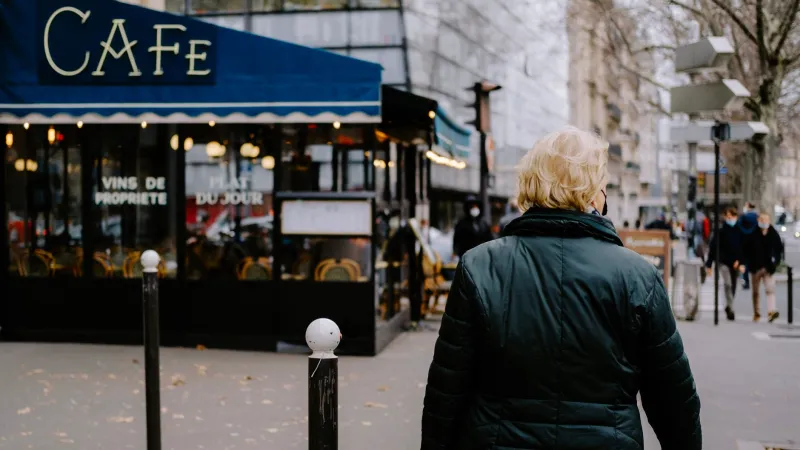
November Paris is a different animal entirely. The city turns a shade of cool gray that makes it look like a film still. Café windows fog up from the warmth inside. The lines at the Musée d'Orsay are genuinely manageable. Hotel rates can drop 30 to 40 percent compared to summer highs, and you'll find it dramatically easier to score a table at the kind of neighborhood bistro that normally requires booking weeks in advance.
Yes, it rains sometimes. Pack a decent jacket. You'll survive — and you'll probably love it.
Yellowstone in September: The Park Finally Exhales
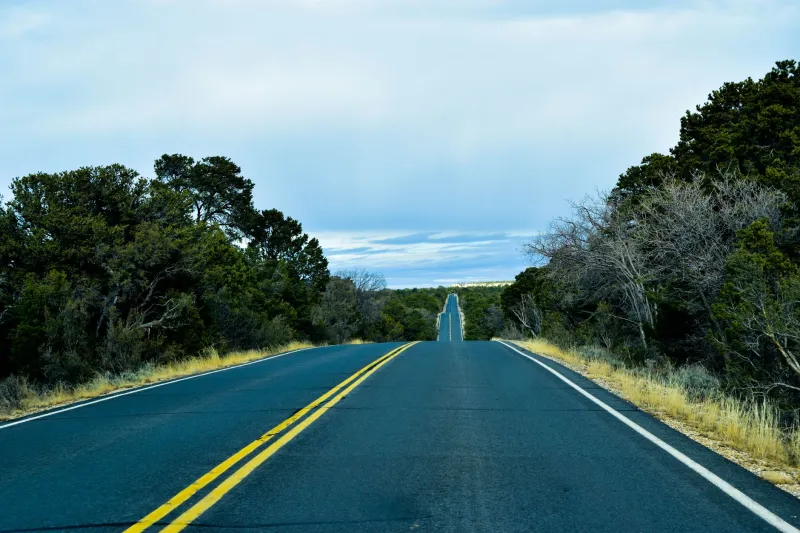
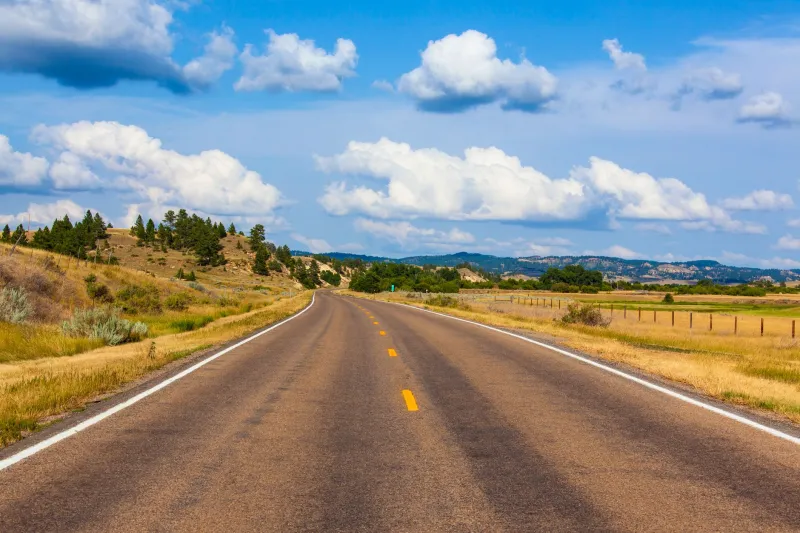
Yellowstone sees around four million visitors a year, and a significant chunk of them arrive between June and August. The result is traffic jams on roads that were never designed for that kind of volume, full campgrounds, and Old Faithful surrounded by a wall of strangers with phones raised.
September changes everything. The summer crowds have thinned, the temperatures have cooled into genuinely comfortable hiking range, and the park itself shifts into something more elemental. The elk rut kicks off in earnest — one of the most dramatic wildlife spectacles in North America — and the golden aspens start their seasonal turn. You're looking at the same geysers, the same Grand Prismatic Spring, the same sweeping valleys, but with room to actually stop and take them in.
Early September still carries some summer traffic, so aim for mid-to-late in the month if your schedule allows. Just note that some facilities begin scaling back by early October, so check ahead.
Machu Picchu in April: Just Before the Rush
Peru's dry season runs June through August, which is also when Machu Picchu is at its most crowded and its most expensive. The Inca Trail permits for peak months sell out months in advance — sometimes within hours of becoming available.
April sits in the transitional zone between wet and dry season. You might encounter some rain, particularly early in the month, but by mid-to-late April the skies are clearing and the site hasn't yet been flooded with peak-season visitors. The surrounding mountains are intensely green from the rainy months, creating a lush backdrop that frankly looks better in photos than the drier, more muted tones of July. Permit availability is considerably better, and prices on tours, accommodation in Aguas Calientes, and flights into Cusco all reflect the lower demand.
A little rain gear and some flexibility in your itinerary goes a long way.
The Practical Framework: How to Find Your Window
Applying shoulder-season thinking to your own travel planning doesn't require a spreadsheet, but a little research pays off. Here's a simple approach:
Start with the crowds, not the calendar. Search for visitor statistics for your target destination. National park websites publish monthly visitation numbers. Tourism boards often do the same. Find the two or three months with the steepest drop-off from peak and start there.
Identify the deal-breakers. Some destinations have genuine off-limits periods — monsoon season, extreme cold, or closures. Cross those off. What's left is usually a workable window.
Check what stays open. Shoulder season sometimes means reduced hours or limited services. Confirm that the specific things you came to see are operational during your target window.
Book accommodations early anyway. Shoulder season doesn't mean empty. Good boutique hotels and popular rentals still fill up, especially on weekends. You'll just have more options and more negotiating room than you would in peak months.
Build in weather flexibility. If you're visiting during a transitional season, give yourself an extra day or two in the itinerary. A rainy afternoon in Kyoto or a drizzly morning in the Scottish Highlands isn't a ruined trip — it's a different, often more atmospheric one.
The Mindset Shift That Makes It All Work
Shoulder season travel requires letting go of the idea that there's one correct time to visit a place — a culturally agreed-upon window that makes the trip legitimate. There isn't. The 'right' time is the one that gives you the best version of the experience you're actually after.
For most people, that means fewer people around them, more space to wander, a more honest encounter with how a place actually lives. It means the restaurant owner has time to chat. The museum guard has time to point out something you would have walked past. The trail is quiet enough that you can hear what's actually happening in the forest.
The world's most unmissable destinations didn't earn that reputation only during their busiest months. The magic is there year-round. You just have to be willing to show up when everyone else has already gone home.