Don't Start in the Big City: The Case for Easing Into Every International Trip With Three Days Somewhere Small
Don't Start in the Big City: The Case for Easing Into Every International Trip With Three Days Somewhere Small
Here's a scenario that probably sounds familiar. You've saved up, booked the flights, and finally landed in Rome after nine hours in the air. You're running on airport coffee and sheer adrenaline. You drop your bags at the hotel, splash water on your face, and march straight to the Colosseum — because you only have eight days and there is absolutely no time to waste.
By noon, you're squinting into the sun, unable to remember whether you've eaten, mildly annoyed at the crowds, and struggling to feel the wonder you were absolutely certain you'd feel standing in front of one of the greatest structures ever built by human hands.
This is not a you problem. This is a sequencing problem.
The way most Americans structure international trips — fly in, hit the highlights immediately, collapse into bed, repeat — is almost perfectly designed to guarantee that the places you've dreamed about for years feel vaguely disappointing when you finally get there. Jet lag, sensory overload, and the relentless pressure of a packed itinerary combine to create a kind of numbness right when you most want to feel alive.
The fix is simpler than you'd think: don't start in the big city.
Why the First 72 Hours Abroad Deserve a Slower Stage
Jet lag isn't just tiredness. It's a full-scale disruption of your body's internal clock, and for travelers crossing five or more time zones from the US, it typically takes two to four days to meaningfully resolve. During that window, your memory consolidation is compromised, your emotional regulation is off, and your ability to absorb and appreciate new experiences is genuinely reduced.
In other words, the first three days of your international trip are probably your worst three days to be standing in front of the Eiffel Tower.
But here's what those same three days are great for: wandering without agenda. Sitting in a café until you feel human again. Getting lost on a side street and finding a bakery that becomes your whole personality for a week. Talking to a shopkeeper because there's nothing else on your schedule.
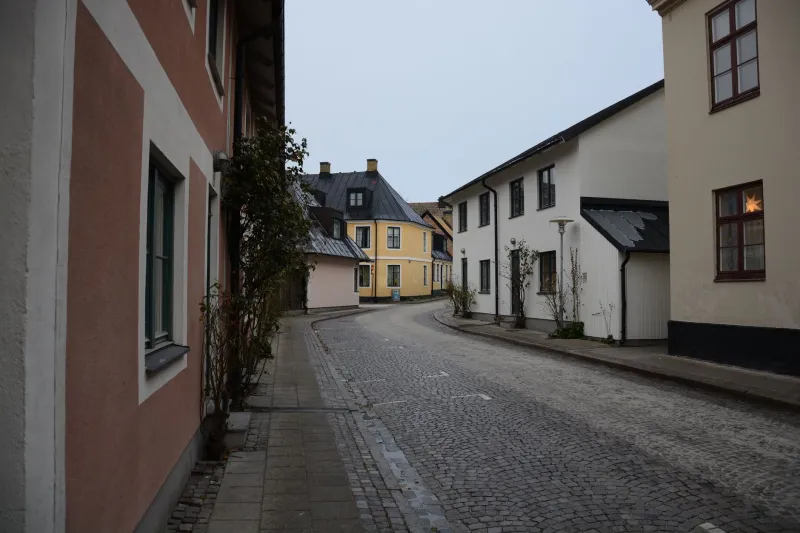
A small town near your international entry point gives you all of that, plus something the major cities genuinely can't: the feeling of being a guest rather than a tourist. When the stakes are lower and the crowds are thinner, you actually start to see the country you've traveled so far to visit.
Pairing the Big Hub With the Right Small Town
The good news is that almost every major international entry point has a smaller, slower counterpart within two to three hours — close enough to reach easily after landing, far enough to feel like a completely different world.
Arriving in Paris? Start in Épernay. About an hour and a half from Charles de Gaulle, this quiet Champagne region town is lined with grand maisons, underground cellars, and restaurants that feel like they were designed for the sole purpose of making you forget what day it is. There are no must-see monuments demanding your attention. You drink good wine, sleep well, eat slowly, and by the time you board the train to Paris on day four, you're actually ready for it.
Arriving in Tokyo? Start in Nikko or Kamakura. Both are reachable within two hours of Narita or Haneda. Kamakura, with its giant bronze Buddha and forested hiking trails, offers a contemplative, unhurried introduction to Japan that no amount of Shibuya scramble footage can replicate. You'll arrive in Tokyo later in the week having already learned how to navigate the train system, read a menu, and bow at the right moments — which makes the city feel manageable rather than overwhelming.
Arriving in Rome? Start in Orvieto. Perched dramatically on a volcanic plateau about 80 miles north of Rome, Orvieto is the kind of Italian hill town that makes you question every life decision that led you to live anywhere else. The cathedral is stunning, the wine is local and absurdly good, and the streets empty out by nine in the evening. It's Italy at a pace that actually lets Italy land.
Arriving in London? Start in the Cotswolds. A two-hour train or bus ride from Heathrow drops you into a world of honey-colored stone villages, sheep-dotted fields, and pubs that have been serving ales since before the United States existed. Towns like Bourton-on-the-Water or Chipping Campden are gentle and genuinely charming in a way that resets your nervous system before London asks everything of it.
Arriving in Barcelona? Start in Tarragona. Just over an hour down the coast, this undervisited Roman city has amphitheaters, medieval lanes, and a seafront promenade that's somehow never crowded. It's a perfect soft landing before you throw yourself into the beautiful, relentless energy of Barcelona proper.
The Unexpected Bonus: Small Towns Become Trip Highlights
Here's something that happens almost every time you try this approach: the small town you chose as a recovery stop ends up being one of the things you talk about most when you get home.
Not because it's more impressive than Paris or Tokyo. It isn't. But because you were actually present when you were there. You weren't exhausted or overstimulated or checking things off a list. You were just somewhere beautiful, with nowhere specific to be, and that combination is rarer and more valuable than most itineraries allow for.
That's the real argument here. It's not that the major cities don't deserve your attention — they absolutely do, and they'll get it. It's that they deserve your best attention, not the frayed, jet-lagged, first-day version of it.
How to Actually Build This Into Your Trip
The logistics are easier than you might expect. Most international flights into Europe arrive in the morning, which means you can clear customs, grab a train or rental car, and be in your small-town hotel by early afternoon — with the rest of the day to do absolutely nothing productive.
Book accommodation in your small-town stop before you finalize your big-city plans. Give yourself a genuine three nights, not two. Resist the urge to schedule anything beyond a dinner reservation. And when you finally do make your way to the major destination, do it on a morning when you've slept well and eaten breakfast like a person who has their life together.
The big city will still be there. The Eiffel Tower isn't going anywhere. But your ability to feel genuinely moved by it? That's time-sensitive. Protect it.
Start small. Arrive slowly. Save the icons for when you're ready to actually see them.