Stop Flying Straight There: Why a 72-Hour Unplanned Stopover Might Be the Best Part of Your Whole Trip
Let's be honest. Most of us plan international trips the same way we approach airport security — head down, moving fast, focused entirely on getting through to the other side. You book the flight, lock in the hotel in the big city, map out the museum queues and the restaurant reservations, and then spend the next six months counting down. The destination becomes the whole story.
But here's something seasoned travelers rarely admit out loud: the moment you finally arrive at that long-anticipated place, it almost never feels the way you imagined. You're jet-lagged. You're overstimulated. The Colosseum is magnificent, but you can barely hold a thought. The streets of Tokyo are dazzling, but you're running on four hours of sleep and a bag of pretzels from 35,000 feet.
There's a better way to do this. It involves deliberately slowing down before you speed up — and it starts with what we're calling the 72-Hour Rule.
What the 72-Hour Rule Actually Means
The concept is simple, even if it feels counterintuitive at first. Instead of flying directly to your primary destination, you intentionally route yourself through a smaller, lower-stakes city or town — somewhere that wasn't originally on your radar — and give yourself three full days there with almost nothing planned.
No packed itineraries. No pre-booked tours. No anxiety about hitting every landmark before checkout. Just a place to land softly, shake off the travel fog, and let your brain remember that it actually enjoys being somewhere new.
This isn't the same as a layover. It's not a consolation prize. It's a deliberate, strategic choice to treat the in-between as the point — and travelers who do it consistently report that these unscripted buffer days end up being the stories they tell for years.
Why Smaller Places Deliver Bigger Moments
There's a reason the most vivid travel memories rarely happen at the most famous spots. When you're standing in front of something you've seen on a thousand Instagram feeds, your brain is working overtime just to reconcile the real thing with the expectation. It's hard to be present when you're also mentally checking a box.
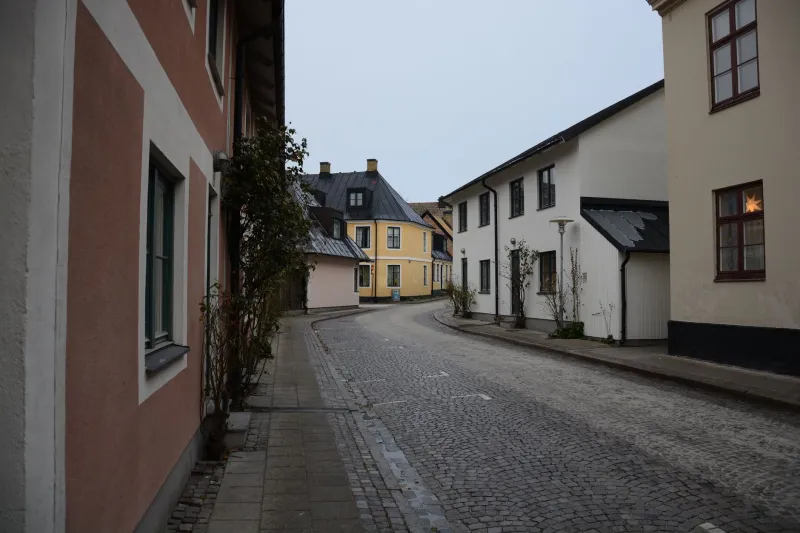
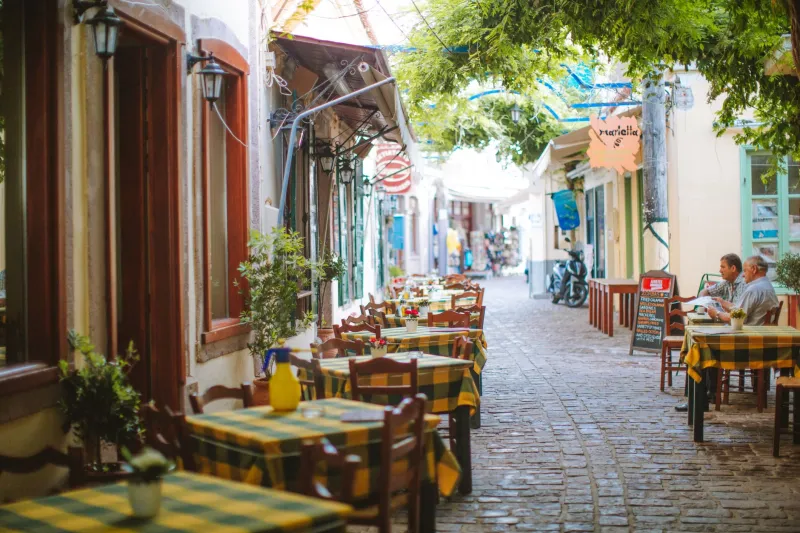
Smaller stopover cities don't carry that weight. Nobody's told you what to think about them. There's no pressure to have a transcendent moment at the main square. You wander because you're curious, not because the guidebook told you to. You end up in a bakery that doesn't have an English menu and somehow order the best thing you've ever eaten. You stumble into a local market on a Tuesday morning and spend two hours just watching the world move.
That's the magic of zero expectations. And it's almost impossible to manufacture in a place you've been planning to visit for six months.
How to Pick the Right Buffer City
This is where a little bit of thought goes a long way. The goal isn't to pick somewhere completely random — it's to find a place that makes geographical and cultural sense as a gateway to where you're ultimately headed.
Think regionally, not just logistically. If your final destination is Rome, consider routing through Bologna or Naples first — cities with serious character that most American tourists bypass entirely. Heading to Tokyo? Osaka or Hiroshima offer a completely different pace with just as much depth. Bound for Lisbon? Porto is sitting right there, and it's arguably more charming.
Match the vibe to your travel style. If you recharge in nature, look for a coastal town or countryside base near your arrival airport. If you're energized by food and local culture, find a mid-sized city with a strong regional identity. The buffer city doesn't need to be quiet — it just needs to be yours in a way that your main destination, shaped by a thousand travel blogs, can't quite be.
Keep logistics honest. The buffer city should be reachable without adding a punishing amount of travel time. A two-hour train ride from the airport? Perfect. A six-hour detour involving three connections? That defeats the purpose entirely.
What to Actually Do During Your 72 Hours
Here's the part that trips people up: you don't need a plan, but you do need permission to not have one. For Americans especially — wired to optimize, to maximize, to squeeze value out of every hour — unstructured time abroad can feel almost uncomfortable at first.
Lean into that discomfort. It's where the good stuff lives.
Spend the first morning doing almost nothing. Sleep in. Find a café. Drink whatever the locals are drinking at 9 a.m. and watch the neighborhood wake up around you. Let your body clock reset without fighting it.
By day two, you'll notice something shift. Your eyes start catching details they would have missed if you'd landed directly in a major tourist hub — the way light hits a particular street corner, the rhythm of a local neighborhood, the small, unremarkable moments that somehow feel like the whole point of travel.
By day three, you'll probably be a little reluctant to leave. That's how you know it worked.
The Unexpected Bonus: You'll Arrive Everywhere Else Better
Here's the practical upside that goes beyond the philosophical case. When you finally do arrive at your main destination after 72 hours of gentle decompression, you show up differently. You're rested. You're curious rather than frantic. You've already had a few small wins — a good meal found by accident, a conversation with a stranger, a neighborhood explored without purpose — and that confidence carries forward.
The big city feels less overwhelming. The famous landmarks feel more earned. You're not just surviving the trip anymore. You're actually inside it.
Most Americans build international itineraries the way they pack suitcases — cramming in as much as possible and hoping nothing breaks. The 72-Hour Rule asks you to do the opposite: leave a little room, trust the empty space, and let the trip breathe.
The unmissable moments, it turns out, are often the ones you never thought to look for.